
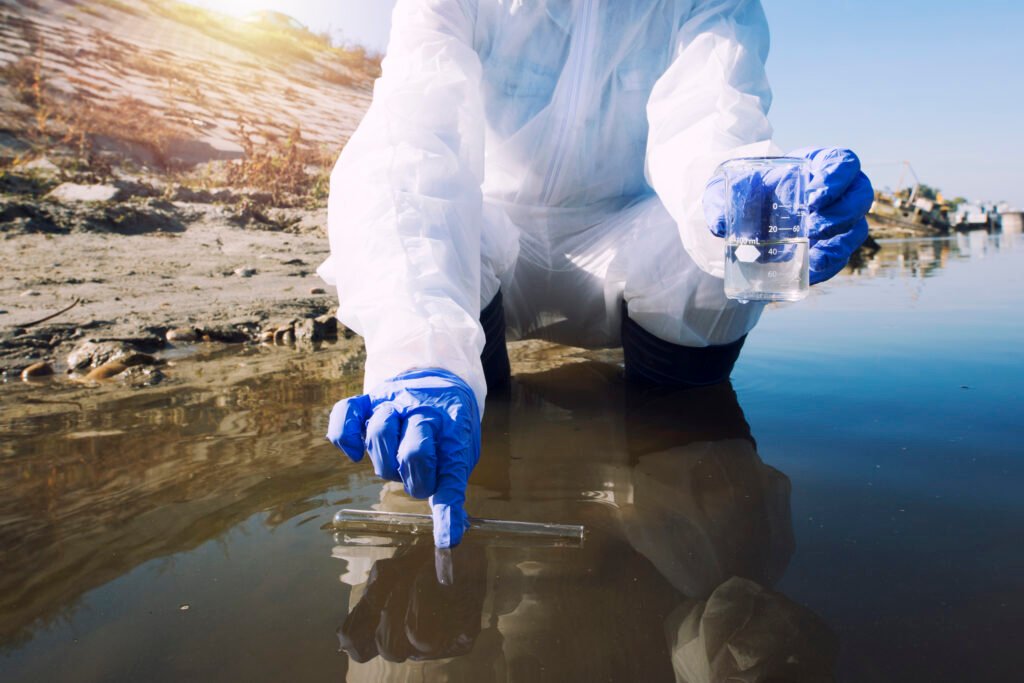
Water is essential for life. Yet the growing demand for clean water and the simultaneous rise in contamination make the issue of control of water pollution more critical than ever. From rivers to lakes, groundwater to oceans, pollution is not just an environmental problem—it’s a public health crisis, a biodiversity threat, and a development challenge. In this article, we’ll explore the causes of water pollution, the strategies and technologies for its control, and the role each of us can play in protecting our water resources.
Why we must focus on the control of water pollution
The concept of control of water pollution involves reducing or eliminating the release of harmful substances into water bodies and restoring the quality of polluted water. According to recent studies, untreated sewage, industrial effluents, agricultural runoff and plastic waste rank among the most common origins of water pollution.
Without effective control of water pollution, the consequences include waterborne diseases, ecosystem collapse, reduced availability of safe drinking water, economic losses and permanent damage to flora and fauna.
By focusing on control of water pollution, governments, industries and communities can secure clean water for future generations while enhancing environmental resilience.
Key sources of pollution we must control
To design effective measures for control of water pollution, we need to understand where the pollutants come from. Here are the main sources:
- Industrial discharges & untreated effluents: Factories and processing plants often release heavy metals, chemicals, toxins and high-BOD (biochemical oxygen demand) waste into rivers and lakes.
- Agricultural runoff: Use of fertilizers, pesticides and herbicides in farming leads to nutrient-rich runoff entering water bodies which causes eutrophication, algal blooms and oxygen depletion.
- Domestic sewage and sanitation issues: In many parts of the world, sewage is either untreated or partially treated before entering rivers, lakes or groundwater — posing major health risks.
- Plastic pollution & non-biodegradable waste: Plastics and microplastics accumulate in water bodies, harming aquatic life and making water treatment harder.
- Stormwater and urban runoff: Rainwater carries oil, debris, chemicals from roads and surfaces into streams and lakes. Without proper management this becomes a major contributor to pollution.
- Mining & thermal pollution: Activities such as mining and power-plant cooling discharge hot water, heavy metals and acid mine drainage into aquatic systems.
Strategies for control of water pollution
Now let’s focus on how the control of water pollution can be achieved through a mix of technology, policy, infrastructure and community efforts.
1. Wastewater treatment and discharge management
Investing in wastewater treatment plants (WWTPs) is foundational to control of water pollution. Proper treatment—physical, chemical, biological—can reduce pollutants significantly before water reaches natural bodies.
For industries, implementing effluent treatment plants (ETPs) and meeting strict discharge norms is a must. Enforcement of these regulations supports the control of water pollution at its origin.
2. Sustainable agricultural practices
Since agricultural runoff is a major source of water contamination, changing farming methods helps in the control of water pollution. Techniques include: reduced fertilizer/pesticide use, buffer strips alongside water bodies, and adoption of drip irrigation or precision farming.
These measures not only control pollution but also conserve water and improve soil health.
3. Stormwater & urban runoff management
Urban areas must handle rainwater and runoff so that pollutants don’t reach water bodies unchecked. Green infrastructure (rain gardens, permeable pavements, retention ponds) play a role in the control of water pollution.
By slowing, filtering and treating runoff on-site we cut the loads entering rivers and lakes.
4. Plastic waste and litter reduction
One of the easier yet impactful steps in the control of water pollution is reducing plastics. Encouraging reusable items, stricter rules around single-use plastics, and ensuring waste doesn’t reach waterways are key.
Microplastics and macroplastics both damage aquatic life and complicate water purification.
5. Community awareness, monitoring and citizen engagement
Governments and NGOs can’t do it alone. Citizens monitoring local water quality, reporting illegal dumping, participating in clean-ups, and practising responsible disposal contribute strongly to the control of water pollution.
Education in schools, youth-led projects and local awareness also raise long-term culture of clean water stewardship. (PlanetSpark)
6. Policy, enforcement and technological innovation
For meaningful control of water pollution, it’s not enough to have policies — they must be enforced. Monitoring water bodies, applying fines for non-compliance, revising standards, and investing in advanced technologies (e.g., IoT sensors for water quality) all support this.
Technology such as real-time water quality monitoring helps detect contamination events early and respond quickly.
Challenges in achieving control of water pollution
Despite knowing the strategies, the path to effectively control water pollution faces several hurdles:
- Insufficient infrastructure: Many regions lack adequate wastewater treatment plants or have inactive ones.
- Diffuse/non-point sources: Agricultural runoff, domestic seepage and stormwater are harder to regulate than point-source discharges.
- Funding and capacity: Governments often struggle with budget, maintenance and skilled manpower for treatment plants.
- Public behaviour and awareness: Recycling, correct disposal, avoidance of litter require behaviour change which is slow and complex.
- Coordination across sectors: Water pollution spans agriculture, industry, urban planning, waste management—siloed approaches fail.
Legacy contamination: Pollutants like heavy metals or microplastics persist in the environment making full control difficult.
Role of individuals and communities
While policy and infrastructure are vital for the control of water pollution, individual actions also matter:
- Use eco-friendly household products instead of harsh chemicals that go into drains.
- Dispose of oils, paints, medicines properly instead of flushing them into waterways.
- Reduce plastic usage—carry your own bottle, avoid single-use plastics.
- Support community clean-ups of local streams, rivers, and lakes.
- Report illegal dumping or improper discharge when you see it.
- Conserve water: less usage means less wastewater requiring treatment or release.
These small steps collectively support broader strategies and reinforce the control of water pollution from the grassroots.
Looking ahead: trends and the future of control of water pollution
As we think about the future, several shifts will influence how well we can implement the control of water pollution:
- Increased use of smart water networks and IoT sensors for continuous monitoring and rapid response.
- More nature-based solutions (constructed wetlands, riparian buffers, green infrastructure) that integrate ecological processes for water purification.
- A shift towards circular economy in water use: reuse and recycling of treated wastewater for non-potable uses, reducing fresh water draw and pollution.
- Stronger global cooperation on plastic pollution and microplastics which cross borders via waterways.
Greater role of citizen science and open data to empower communities and improve transparency in monitoring efforts.
Conclusion
The phrase control of water pollution isn’t just a technical term—it encapsulates a comprehensive mission to safeguard one of our planet’s most vital resources. Achieving effective control requires action on many fronts: industrial treatment, agriculture reform, stormwater management, plastic reduction, community participation, and smart policy. Though challenges are substantial, the solutions are accessible and increasingly affordable. When institutions, industries and individuals collaborate, our freshwater and marine ecosystems can flourish, communities can thrive, and future generations will have access to clean, safe water.
By placing the control of water pollution at the heart of environmental planning and everyday life, we can turn the tide—from polluted streams and choking algal blooms to clear waters, healthy ecosystems and resilient societies.
Read More Blogs: Causes Of Air Pollution